
Madonna
Scipione Pulzone (Gaeta 1544 – Roma 1598) Cerchia
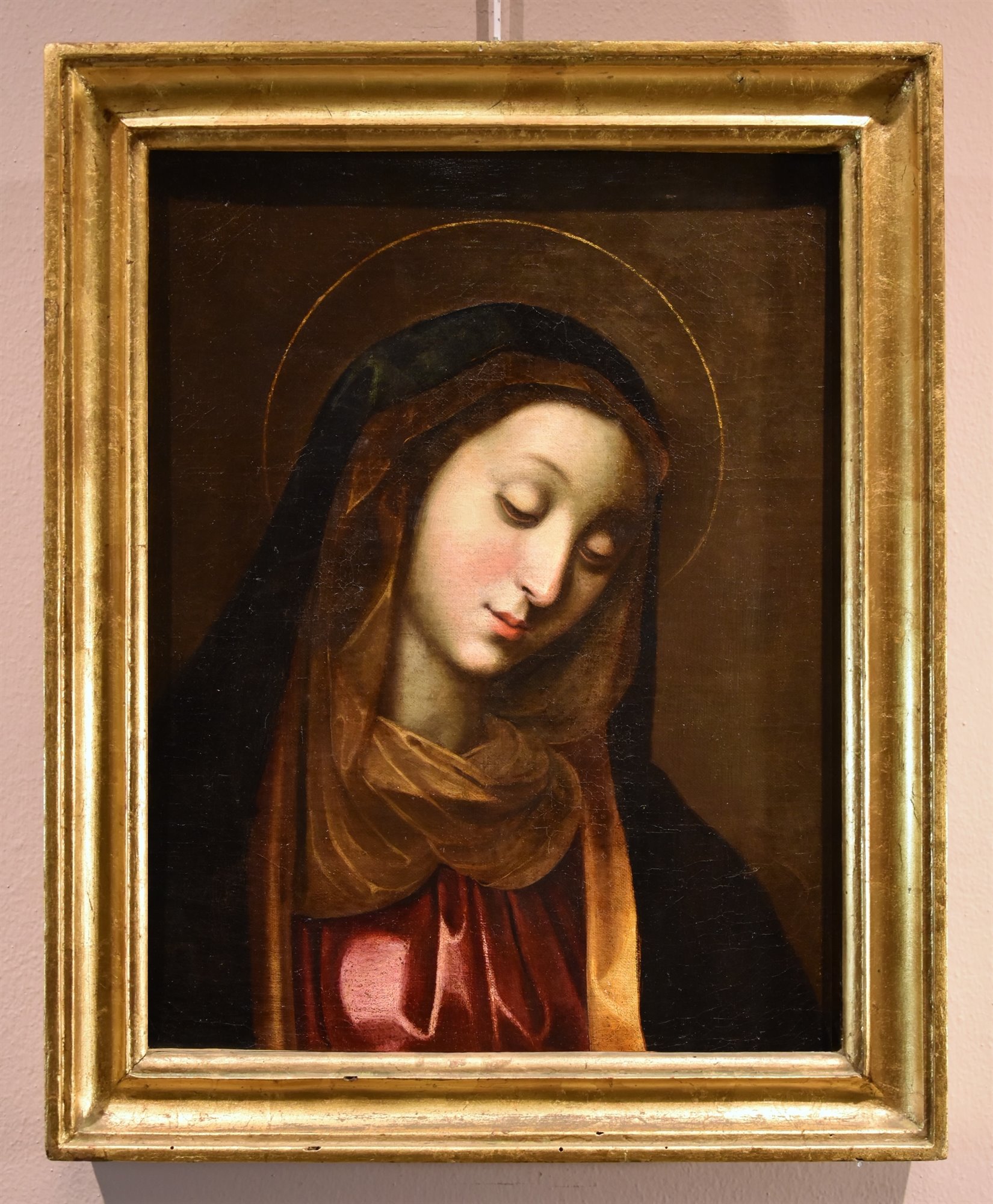

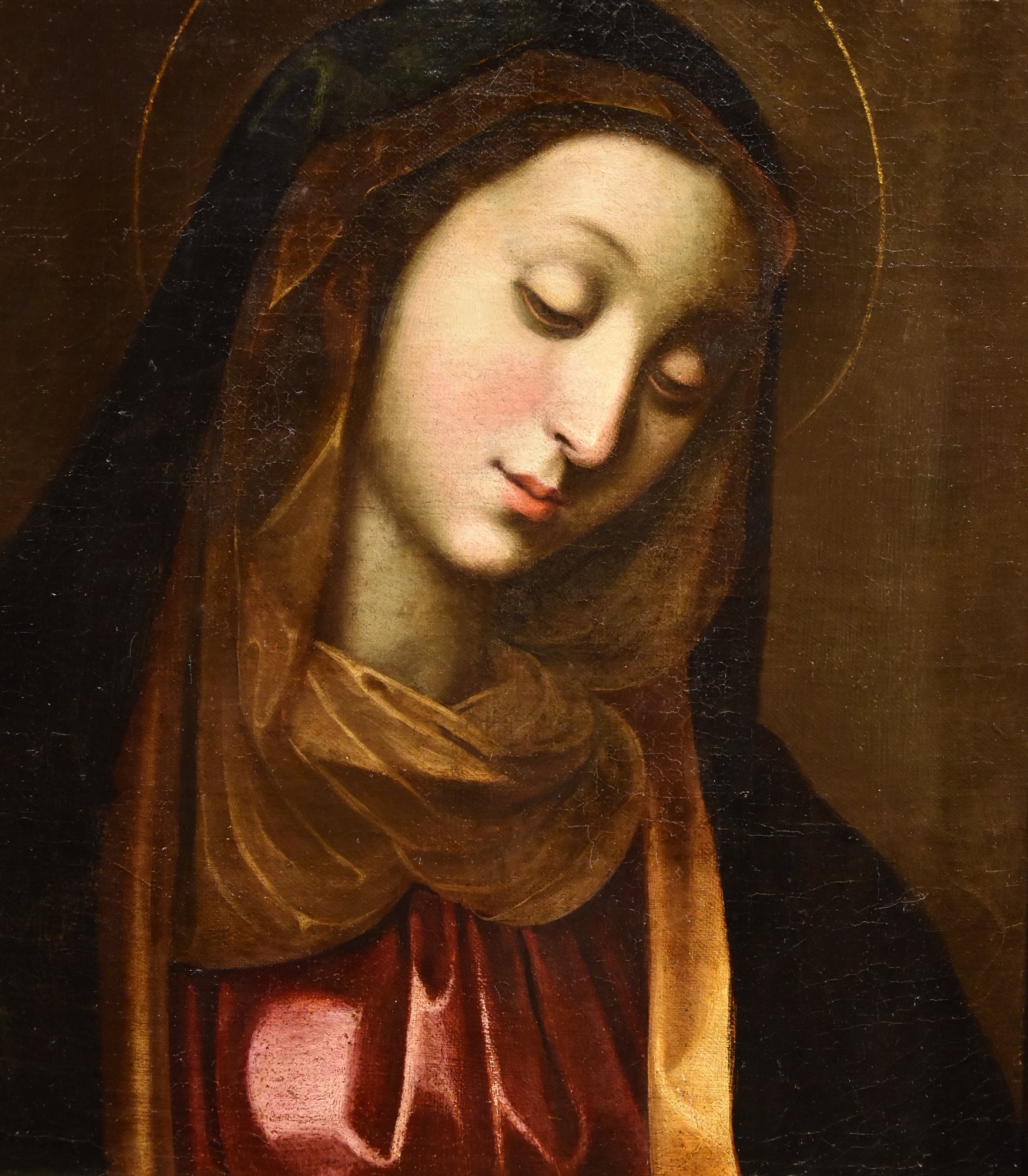
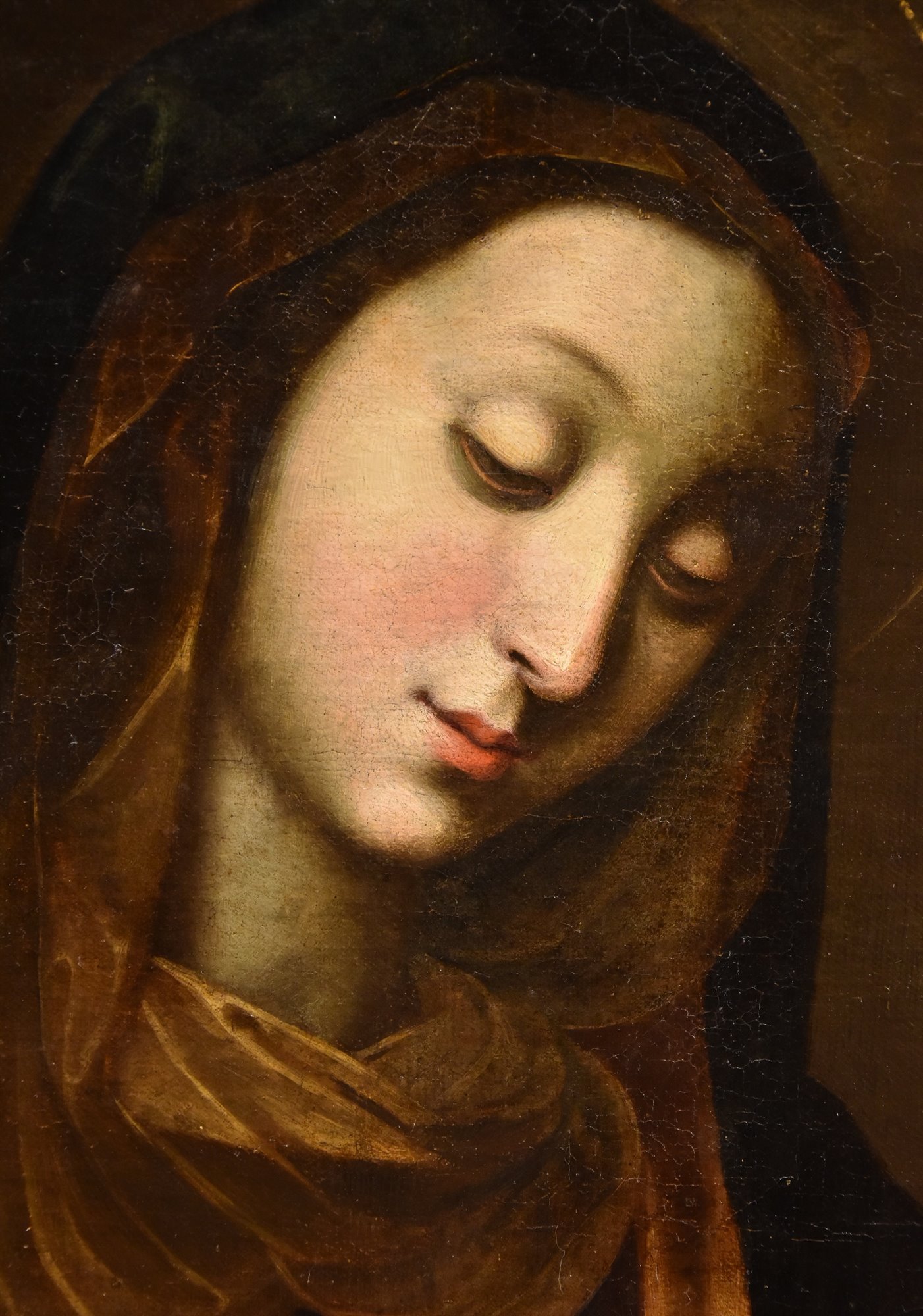
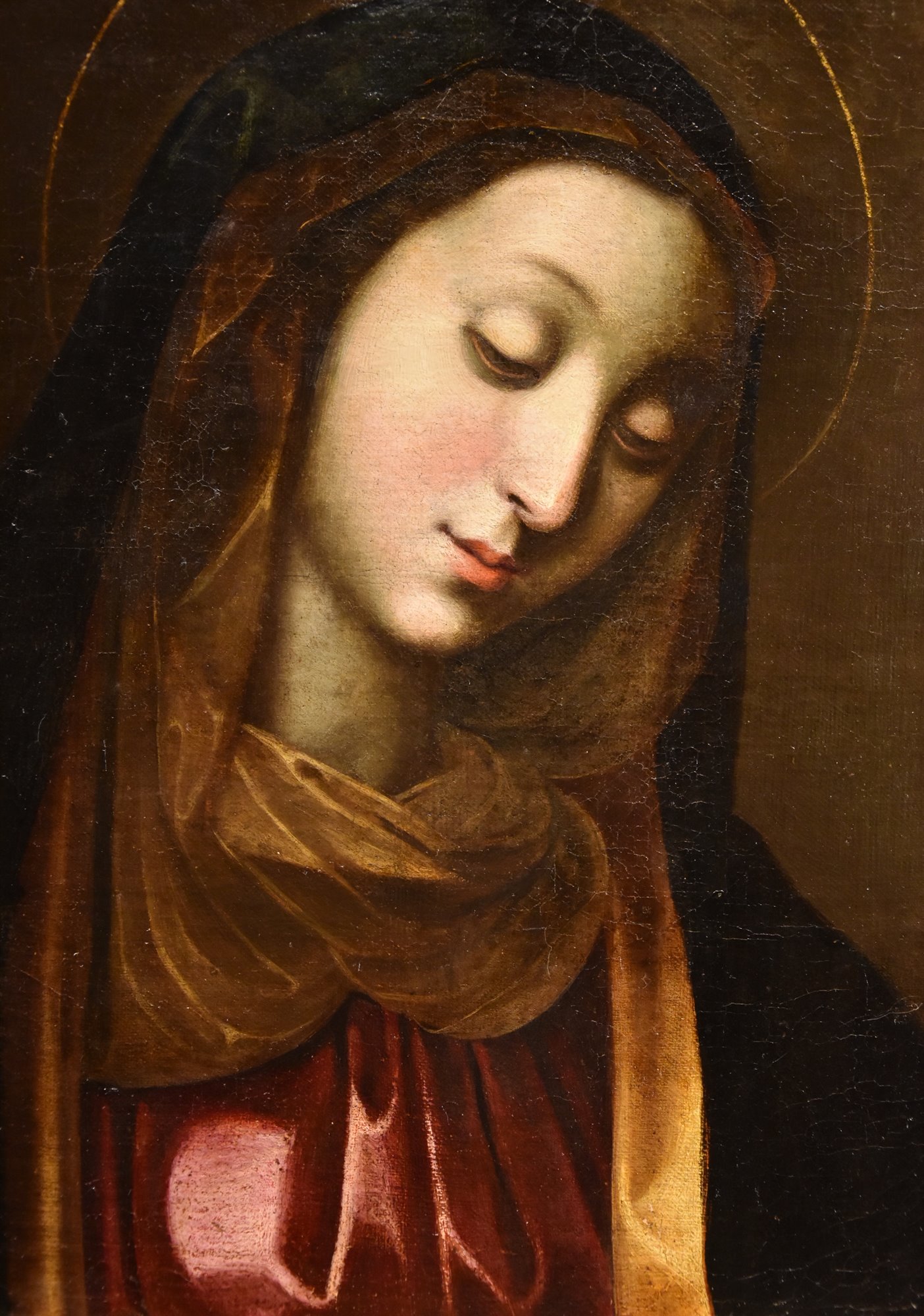
Scipione Pulzone (Gaeta, 1544 – Rome, 1598) workshop of
Madonna
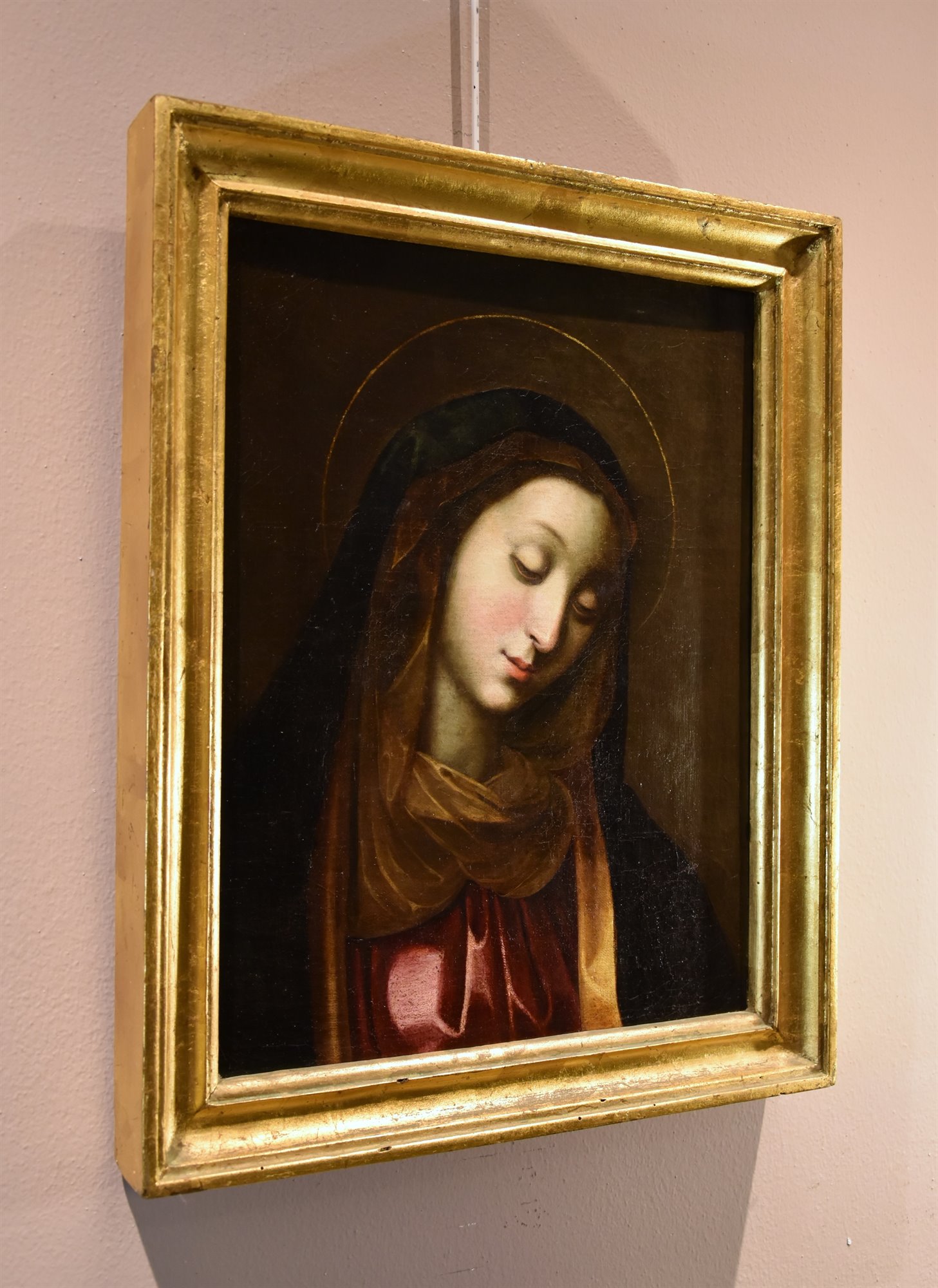
Oil on canvas
55 x 43 cm
In frame 63 x 51 cm
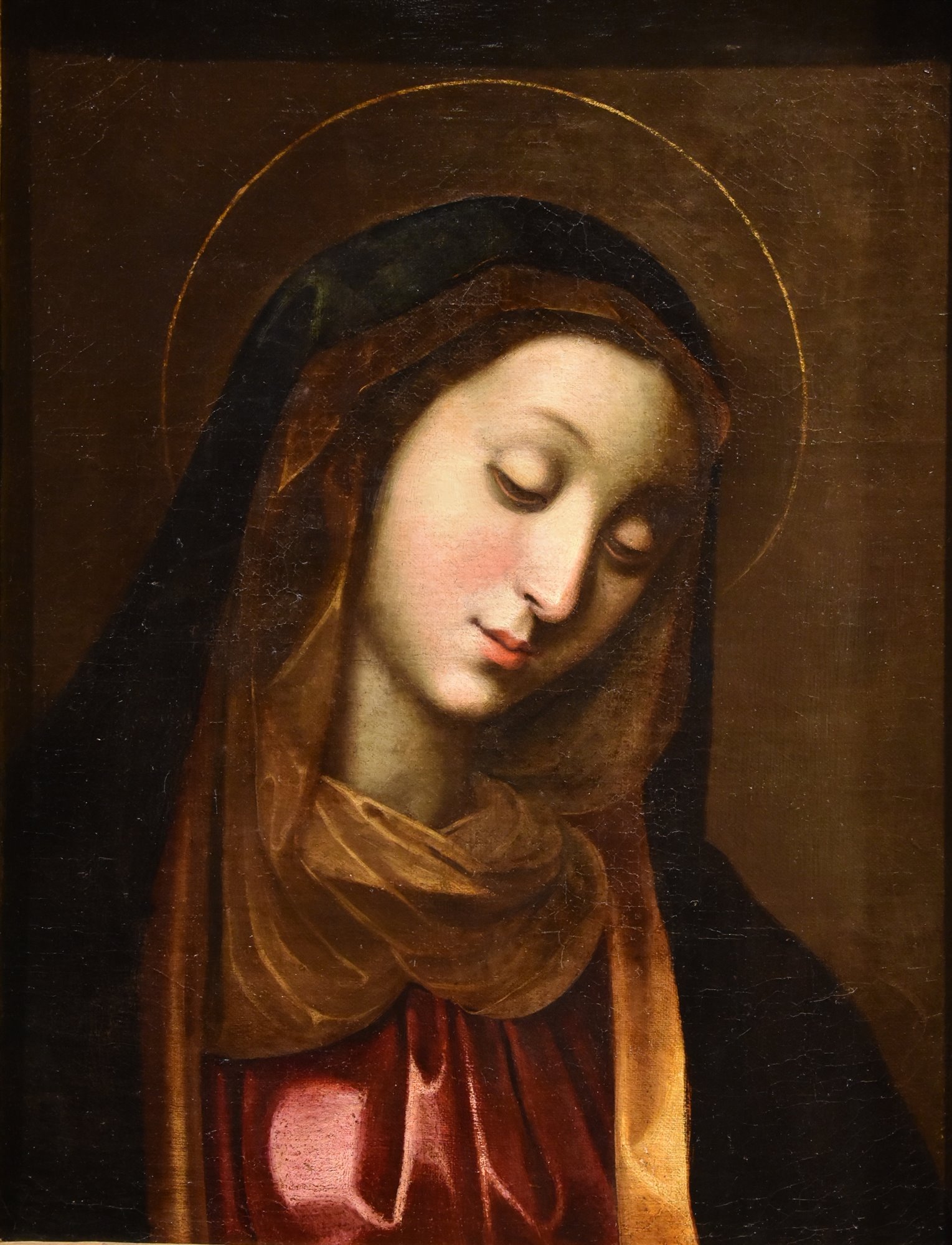
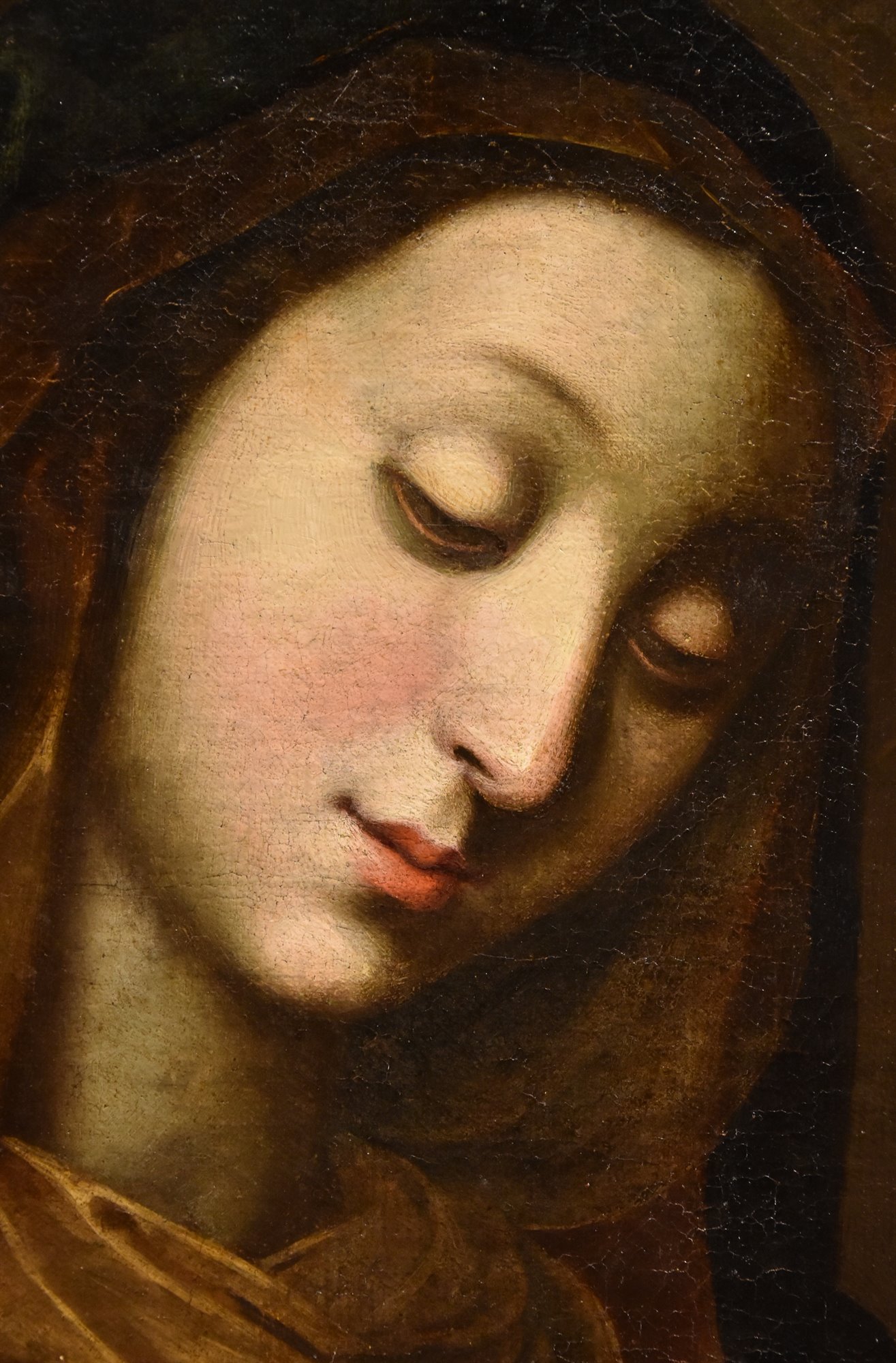
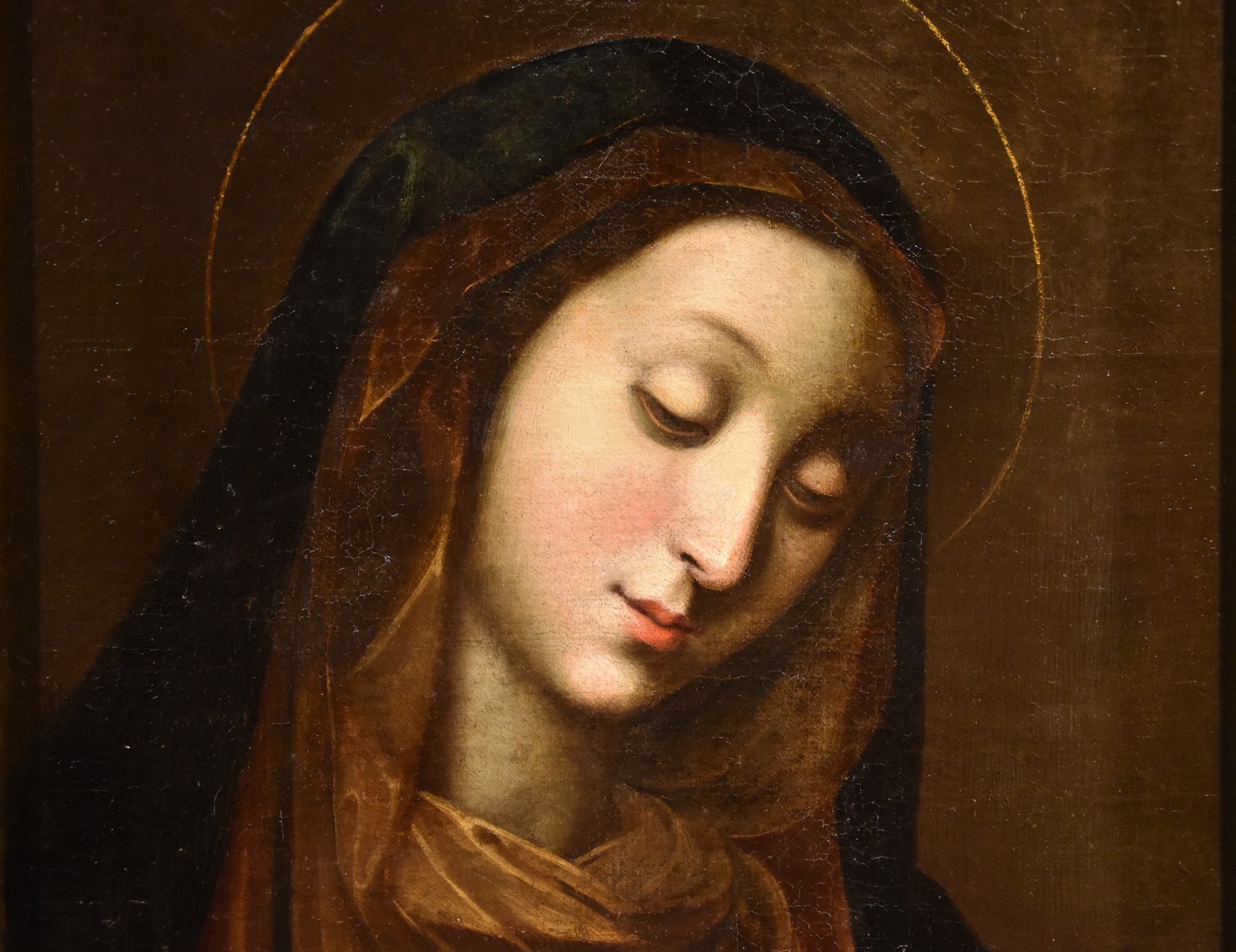
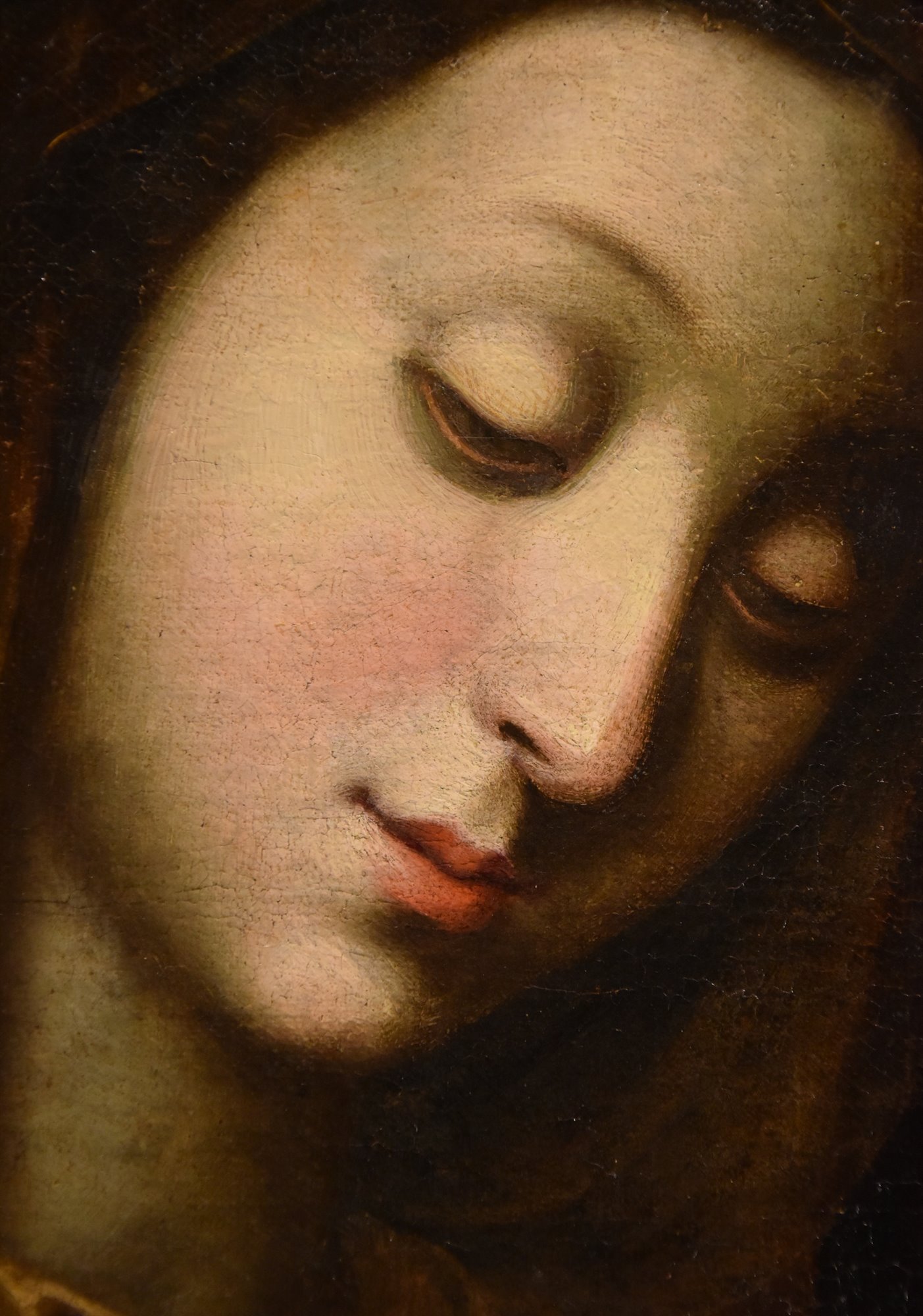
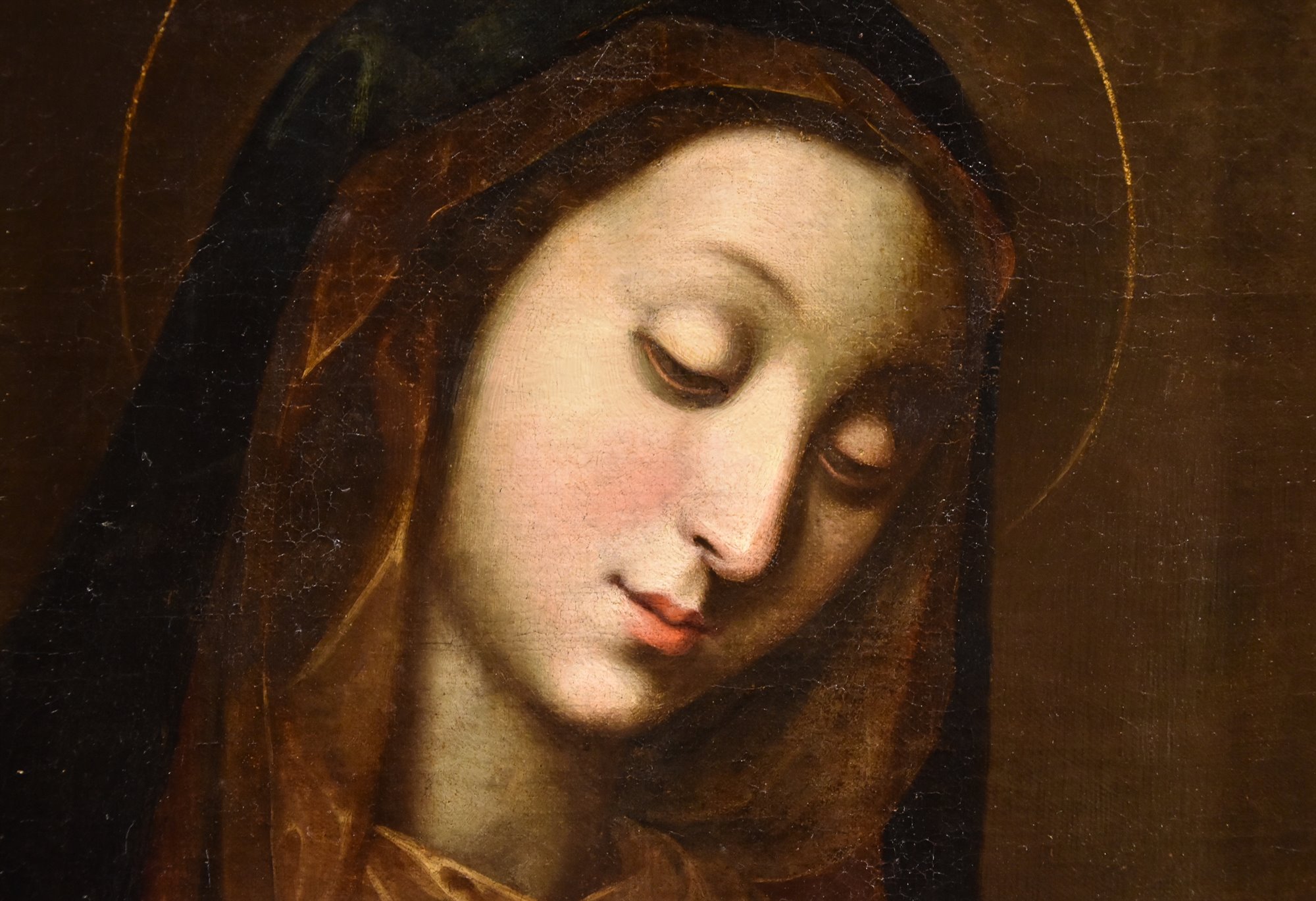
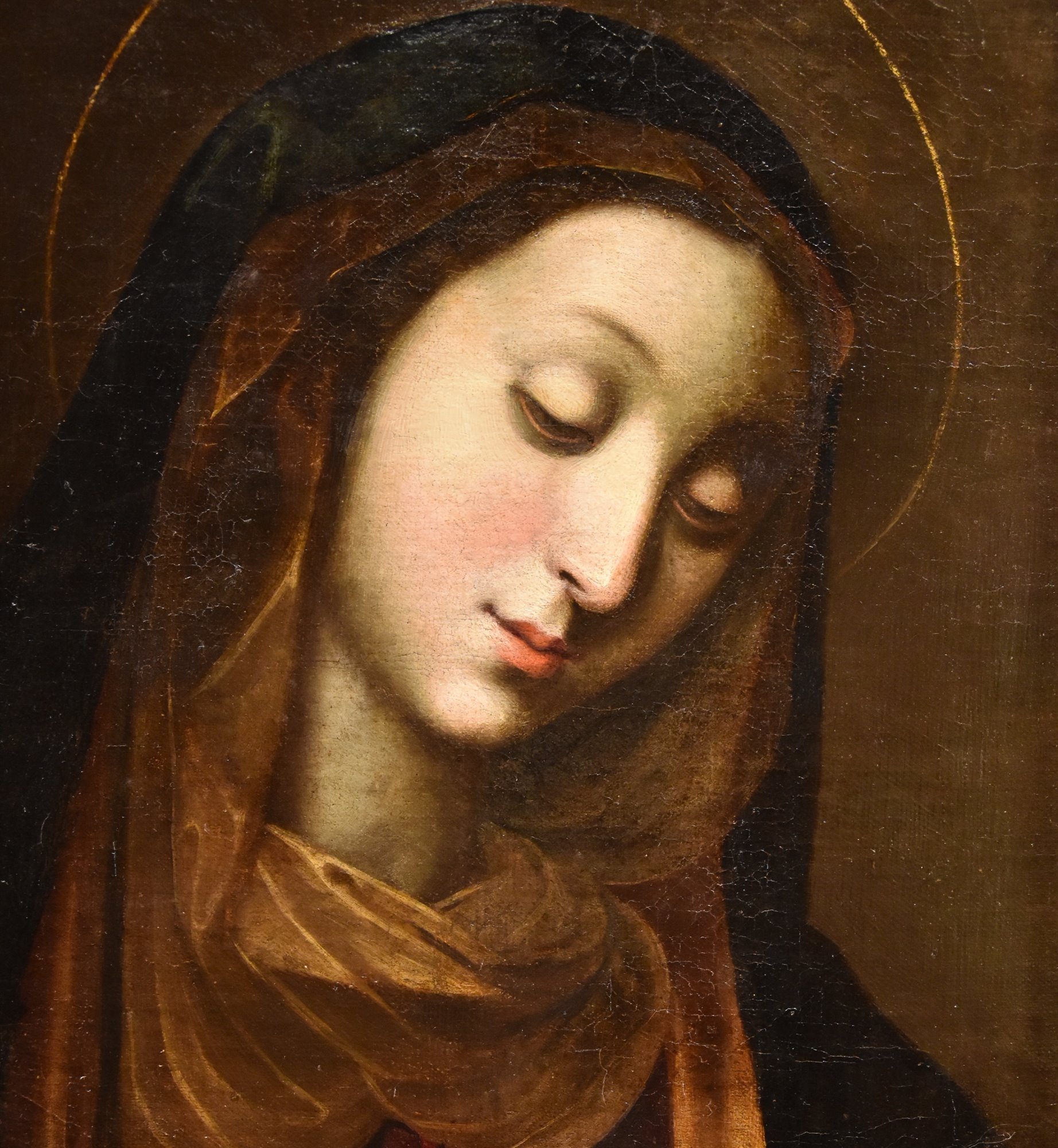
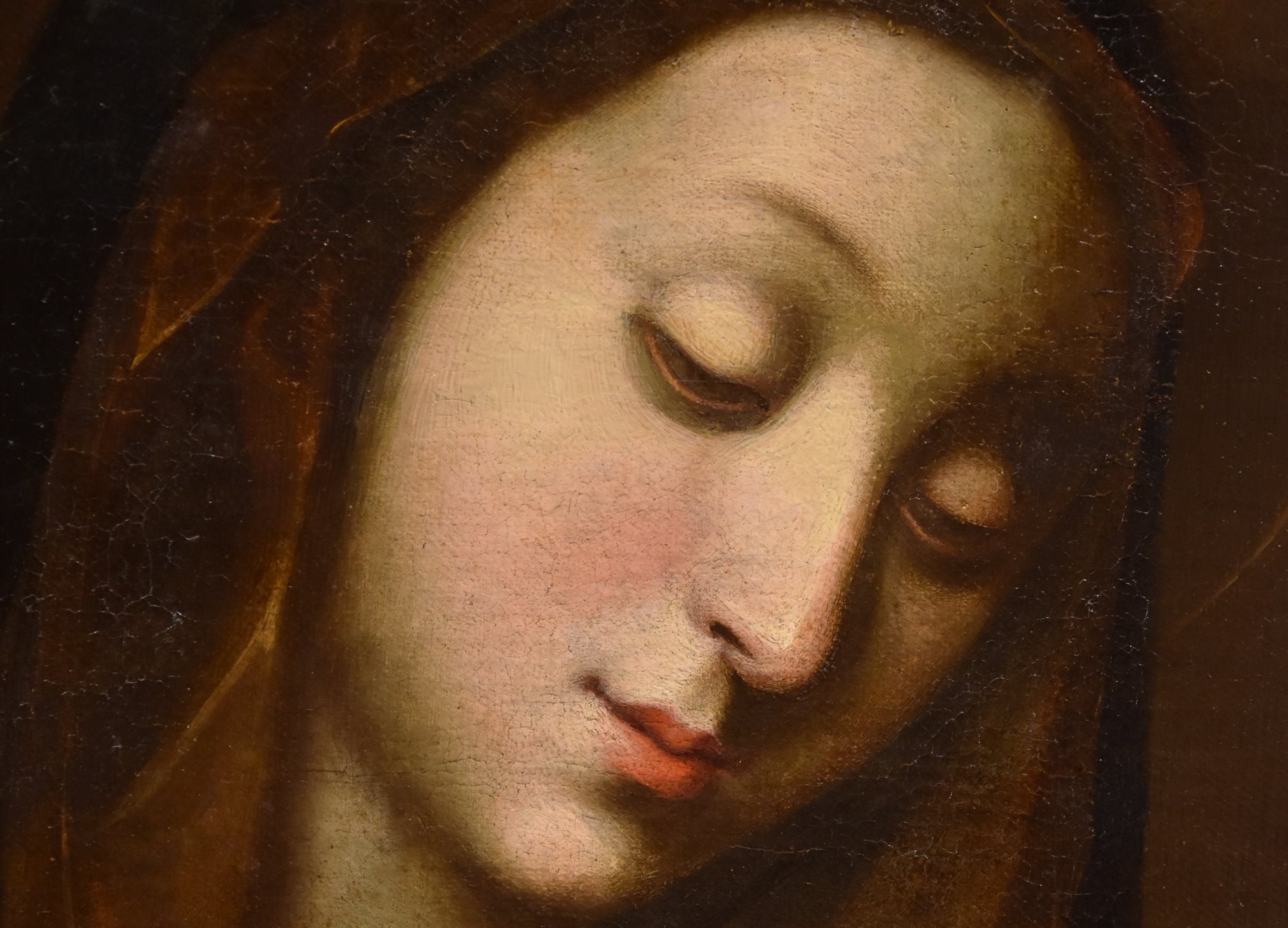
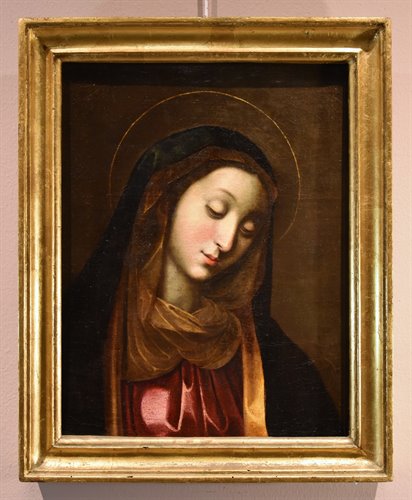
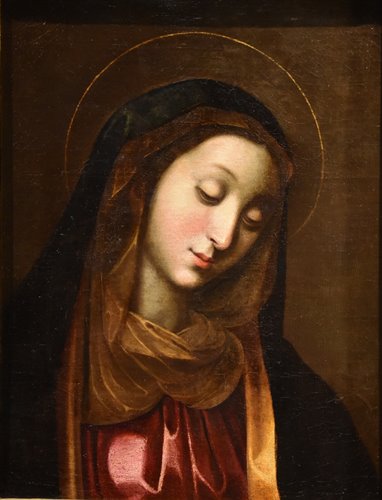
This delicate yet intense portrait depicts the Virgin Mary, her head covered, looking down, most likely at the body of the baby Jesus, whom we can imagine lying on her lap or in the traditional cradle, but we also find her in a similar pose in the Virgin of the Annunciation.
From an analysis of the work, which is of excellent quality, we are inclined to attribute its authorship to an artist who was presumably active in Rome between the 16th and 17th centuries, finding a direct comparison with the works of Scipione Pulzone (Gaeta, 1544 – Rome, 1598), one of the leading exponents of late Mannerism and one of the most original interpreters of the Counter-Reformation era.
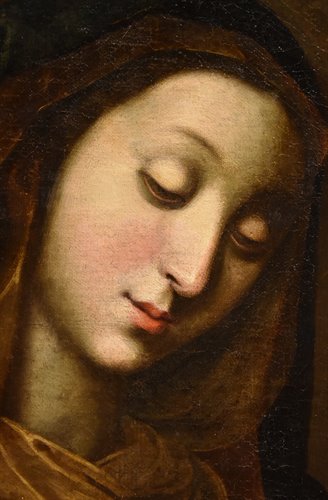
Famous for his skills as a portraitist, he was also the creator of timeless devotional images in the style of Raphael, masterfully interpreting post-Tridentine ideals, as can be seen in the refined rendering of the facial features in our canvas, still close to the Mannerist style of Florentine origin.
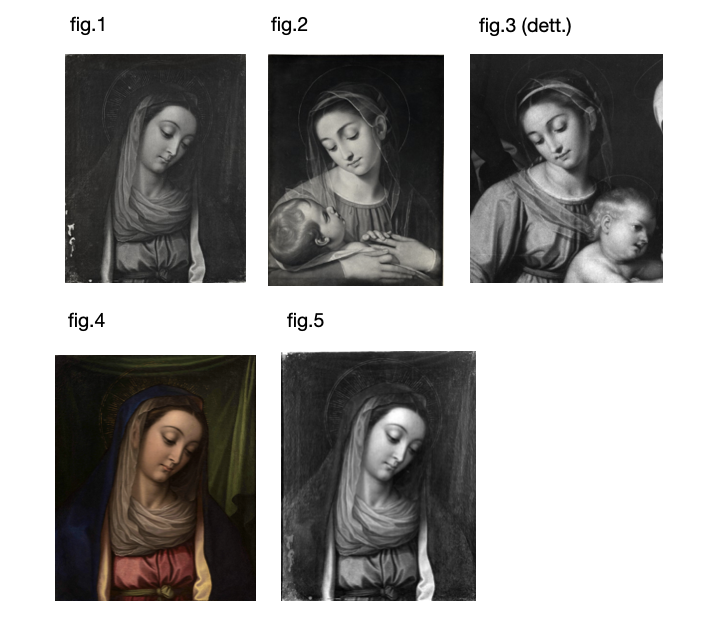
A direct comparison can be made with the Virgin in the Duke of Devonshire's collection at Chatsworth House, noted by Federico Zeri (image 1, Zeri Photo Library, no. 32006), but also, considering it as a smaller version of larger paintings, with the Madonna della Divina Provvidenza (Our Lady of Divine Providence) painted by Scipione for the Barnabite Fathers (image 2, Rome, San Carlo ai Catinari, chapel of the Fathers) and with the Virgin depicted in the Holy Family in the Borghese Gallery (fig. 3 inv. 313).
This iconic depiction of the Virgin Mary was hugely successful, as evidenced by the various versions by Pulzone cited in various archival sources, but also by the reproductions made by his workshop to satisfy the numerous requests from both ecclesiastical and private clients.
An example of illustrious derivation is Marcello Venusti's Blessed Virgin, now in the Borghese Gallery (fig. 4 inv. 178), considered a copy of Scipione Pulzone's painting, and again the Virgin, also taken from the same prototype and the work of a painter from the circle, preserved in Villa Borghese Pinciana in Rome (fig. 5).
The large number of copies still in existence, originally created as icons for private worship by the faithful, proves the immense popularity of this image.

ADDITIONAL INFORMATION:
The painting is sold complete with an attractive gold frame and comes with a certificate of authenticity and a descriptive iconographic card.
We arrange and organise the transport of purchased works, both in Italy and abroad, using professional and insured carriers.
If you would like to see this or other works in person, we would be delighted to welcome you to our new gallery in Riva del Garda, at Viale Giuseppe Canella 18. We look forward to seeing you!
Please contact us for any information or to arrange a visit, we will be happy to assist you.
Follow us on: